InfoAct Compliance Clarity in Compliance. Confidence in Transparency.

InfoAct Compliance

Clarity in Compliance. Confidence in Transparency.

Latest Articles

When Transparency Demands Arrive Without Warning: Building a Scalable Rapid-Response FOIA Infrastructure
Federal Compliance

When Transparency Demands Arrive Without Warning: Building a Scalable Rapid-Response FOIA Infrastructure

Most organizations invest in FOIA readiness for predictable, routine requests—leaving them dangerously exposed when adversarial or high-volume demands arrive without notice. A compliance infrastructure designed only for calm conditions will fracture under deliberate pressure. This article outlines how to build systems that scale, sustain accuracy, and prevent costly errors when transparency demands hit hardest.

When Internal Audits Create a False Sense of Security: The Hidden Gaps in FOIA Response Protocols
Federal Compliance

When Internal Audits Create a False Sense of Security: The Hidden Gaps in FOIA Response Protocols

Organizations that pass their own FOIA compliance audits with flying colors often discover, too late, that their internal review processes were measuring the wrong things entirely. The gap between procedural conformance and genuine legal defensibility is wider than most compliance officers realize—and opposing counsel knows exactly where to look. This article examines the structural blind spots that allow systemic vulnerabilities to survive repeated internal reviews undetected.

Are Your Exemption Claims Actually Defensible? A Diagnostic Framework for FOIA Compliance Officers
Federal Compliance

Are Your Exemption Claims Actually Defensible? A Diagnostic Framework for FOIA Compliance Officers

Many organizations assert FOIA exemptions with confidence—until a court or oversight body asks them to justify the reasoning behind each redaction. This diagnostic framework helps compliance officers systematically evaluate whether their claimed protections will survive judicial scrutiny under current case law and agency precedent.

Claiming Exemptions You Cannot Defend: The Legal and Institutional Fallout of Unsupported FOIA Privilege Assertions
Federal Compliance

Claiming Exemptions You Cannot Defend: The Legal and Institutional Fallout of Unsupported FOIA Privilege Assertions

Asserting a FOIA exemption without a rigorous legal foundation is not a conservative compliance posture—it is a liability. When organizations invoke attorney-client privilege, trade secret protections, or law enforcement sensitivity without meeting the precise legal standards courts apply, the consequences extend well beyond a lost appeal. This article examines how unsupported exemption claims unravel in litigation, the institutional damage they leave behind, and what a disciplined pre-release a

Confidence Without Evidence: Why Organizations Misjudge Their Own FOIA Readiness
Federal Compliance

Confidence Without Evidence: Why Organizations Misjudge Their Own FOIA Readiness

Many organizations operate under the assumption that their FOIA programs are functioning adequately—until a high-stakes request or impending litigation exposes the gaps they never knew existed. The most dangerous compliance failures are rarely the ones organizations can see; they are the ones obscured by routine, institutional inertia, and untested assumptions. This article examines the structural and behavioral patterns that leave organizations exposed, and why self-assessment must precede exte

Deliberative Process in Name Only: Why Agencies Keep Losing Exemption Claims Courts Were Never Going to Accept
Federal Compliance

Deliberative Process in Name Only: Why Agencies Keep Losing Exemption Claims Courts Were Never Going to Accept

The deliberative process exemption was designed to protect genuine internal deliberations, not to serve as a blanket shield over routine agency communications. Federal courts are increasingly rejecting overbroad claims, and the pattern of losses is costing agencies far more than transparency ever would have. Compliance officers who understand where this exemption actually applies—and where it does not—can protect their organizations from the litigation exposure and credibility erosion that follo

Proactive Disclosure or Strategic Concealment? The Compliance Risks of Selective Transparency
Federal Compliance

Proactive Disclosure or Strategic Concealment? The Compliance Risks of Selective Transparency

Proactive disclosure is widely celebrated as a hallmark of genuine transparency, but a growing number of organizations are weaponizing it—releasing favorable records voluntarily while quietly burying the rest. This article examines the legal gray zones, ethical fault lines, and emerging regulatory scrutiny surrounding selective disclosure practices that exploit the spirit of information access law.

Built to Expire: Why Static FOIA Frameworks Cannot Keep Pace with a Shifting Legal Landscape
Federal Compliance

Built to Expire: Why Static FOIA Frameworks Cannot Keep Pace with a Shifting Legal Landscape

Compliance frameworks that were carefully constructed eighteen months ago may already be operating outside the boundaries of current law. Legislative amendments, appellate court decisions, and the accelerating integration of new technologies are compressing the useful lifespan of FOIA policies from years into months. Organizations that treat compliance as a one-time achievement rather than a continuous discipline are quietly accumulating regulatory exposure they may not discover until a request—

Redact Too Much, Lose Too Much: How Overbroad Exemption Claims Are Costing Organizations in Court and in Credibility
Federal Compliance

Redact Too Much, Lose Too Much: How Overbroad Exemption Claims Are Costing Organizations in Court and in Credibility

Aggressive redaction has long been treated as a safe default in FOIA compliance, but courts and oversight bodies are increasingly pushing back against exemption claims that lack legal foundation. Organizations that habitually over-redact are discovering that the short-term comfort of withholding information carries substantial long-term costs—in sanctions, appeals, and damaged public trust. This analysis examines where the line falls between legitimate protection and legally indefensible withhol

When the Algorithm Decides What You See: AI-Driven FOIA Processing and the Compliance Risks Nobody Is Talking About
State & Local Compliance

When the Algorithm Decides What You See: AI-Driven FOIA Processing and the Compliance Risks Nobody Is Talking About

Artificial intelligence is rapidly reshaping how agencies process public records requests, with automated redaction tools and machine-learning triage systems promising dramatic reductions in response backlogs. Yet the deployment of these technologies is generating a new category of compliance risk—one that existing FOIA frameworks were not designed to address. This article examines where AI implementations have faltered, what regulators are beginning to expect, and how organizations can maintain

Before the Subpoena Arrives: Building a Predictive Compliance Model to Defuse FOIA Litigation Risk
Federal Compliance

Before the Subpoena Arrives: Building a Predictive Compliance Model to Defuse FOIA Litigation Risk

FOIA-related lawsuits are accelerating across federal and state jurisdictions, and organizations that wait for litigation to expose their vulnerabilities are already behind. A predictive compliance model—grounded in data analytics and systematic risk assessment—offers a structured path to identifying and closing gaps before they become courtroom liabilities. This article examines litigation patterns, quantifies the ROI of proactive investment, and presents a practical framework for evaluating yo

State Attorneys General Are Rewriting the FOIA Enforcement Playbook—Is Your Organization Ready?
State & Local Compliance

State Attorneys General Are Rewriting the FOIA Enforcement Playbook—Is Your Organization Ready?

Across the country, state attorneys general are taking a more aggressive posture toward public records enforcement, moving beyond passive oversight into active litigation and public accountability campaigns. For compliance officers, the shift signals a new era of scrutiny that demands proactive preparation rather than reactive damage control.

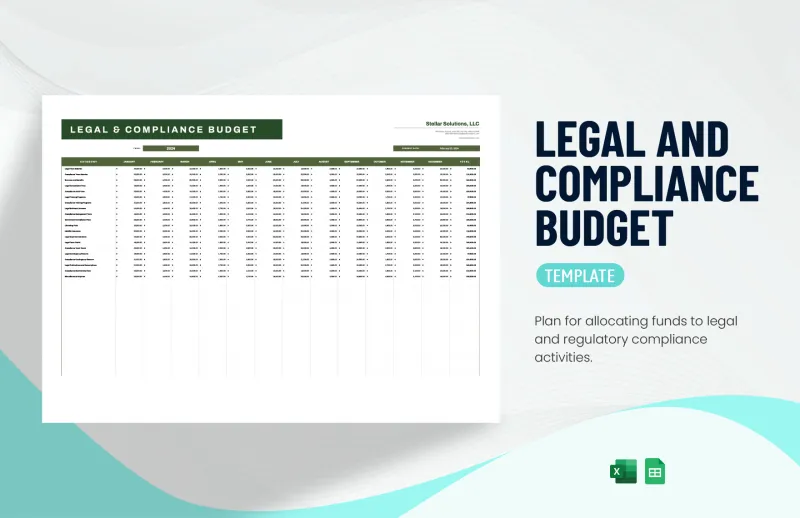
The Real Price of FOIA: Uncovering the Hidden Compliance Costs Draining Your Budget
Federal Compliance

The Real Price of FOIA: Uncovering the Hidden Compliance Costs Draining Your Budget

Most organizations track FOIA response rates—but few track what compliance actually costs. From search hours to litigation exposure, the financial drain of inefficient public records processes is often invisible until it becomes impossible to ignore. This analysis gives compliance officers the framework to quantify that drain and make the case for smarter investment.

Algorithms on the Record: What FOIA Compliance Officers Must Know as Requesters Target AI Decision Systems
Federal Compliance

Algorithms on the Record: What FOIA Compliance Officers Must Know as Requesters Target AI Decision Systems

Federal agencies and government contractors are facing a new frontier in FOIA compliance as requesters increasingly demand access to the algorithmic systems driving consequential public decisions. From benefit determinations to law enforcement risk scoring, the pressure to disclose AI logic is mounting—and most organizations are unprepared. This article examines the legal landscape, the technical realities, and the compliance steps needed to respond effectively.

Denial at Your Peril: The Hidden Financial and Legal Costs of Getting FOIA Refusals Wrong
Federal Compliance

Denial at Your Peril: The Hidden Financial and Legal Costs of Getting FOIA Refusals Wrong

A wrongful FOIA denial rarely ends with the denial itself. Litigation, attorney fee awards, reputational damage, and heightened regulatory scrutiny are among the downstream consequences that organizations face when refusals cannot withstand legal challenge. This article examines the compounding costs of erroneous FOIA denials, traces the decision-making failures that most commonly produce them, and offers a structured approach to reducing refusal errors before they escalate.

Transparency as Strategy: How Forward-Thinking Organizations Are Turning FOIA Compliance Into an Institutional Asset
State & Local Compliance

Transparency as Strategy: How Forward-Thinking Organizations Are Turning FOIA Compliance Into an Institutional Asset

A growing number of organizations are discovering that FOIA compliance, long treated as an administrative burden, can serve as a powerful instrument for building public trust and institutional credibility. Rather than treating transparency requirements as obstacles to manage, these organizations are proactively publishing records, redesigning their disclosure processes, and repositioning openness as a core organizational value. The results suggest that compliance done well is not merely defensib

When Records Go Missing: The True Price of Inadequate Information Governance in FOIA Compliance
Federal Compliance

When Records Go Missing: The True Price of Inadequate Information Governance in FOIA Compliance

Organizations that lack structured information governance systems routinely discover their greatest FOIA liability isn't what they disclose—it's what they cannot find. From litigation exposure to reputational erosion, the consequences of poor records management extend far beyond a missed response deadline. This article examines the systemic risks created by disorganized records practices and offers a practical framework for closing the gap between retention policy and genuine FOIA readiness.

Transparency Meets Privacy: Compliance Strategies for Organizations Caught Between FOIA Obligations and State Consumer Privacy Laws
State & Local Compliance

Transparency Meets Privacy: Compliance Strategies for Organizations Caught Between FOIA Obligations and State Consumer Privacy Laws

As states continue enacting consumer privacy legislation modeled on California's landmark framework, organizations are increasingly caught between competing legal obligations — the duty to disclose and the duty to protect. Understanding where these regimes intersect, and where they diverge, is now a core compliance competency for any organization handling public records or government-adjacent data.

Is Your FOIA Process Actually Working? A Practical Audit Guide for Compliance Officers
Federal Compliance

Is Your FOIA Process Actually Working? A Practical Audit Guide for Compliance Officers

Most organizations assume their FOIA response process is functional — until a lawsuit, an inspector general finding, or a damaging news story reveals otherwise. A structured internal audit of your agency's or organization's records request workflow can surface hidden liabilities before they become public failures, and transform a reactive compliance posture into a genuine transparency program.

No Two States Are Alike: Navigating the Patchwork of Public Records Laws Reshaping Multi-State Compliance
State & Local Compliance

No Two States Are Alike: Navigating the Patchwork of Public Records Laws Reshaping Multi-State Compliance

Public records and transparency obligations at the state level have never been more varied—or more consequential for organizations operating across multiple jurisdictions. As state legislatures continue to amend, expand, and in some cases restrict their open records frameworks, the compliance landscape for businesses and nonprofits has grown increasingly fragmented. This analysis maps the key fault lines across regions and offers a practical framework for managing multi-state disclosure obligati